LLM4S: Build reliable AI systems in the JVM Ecosystem
29 November • 03:30 - 04:00 PM
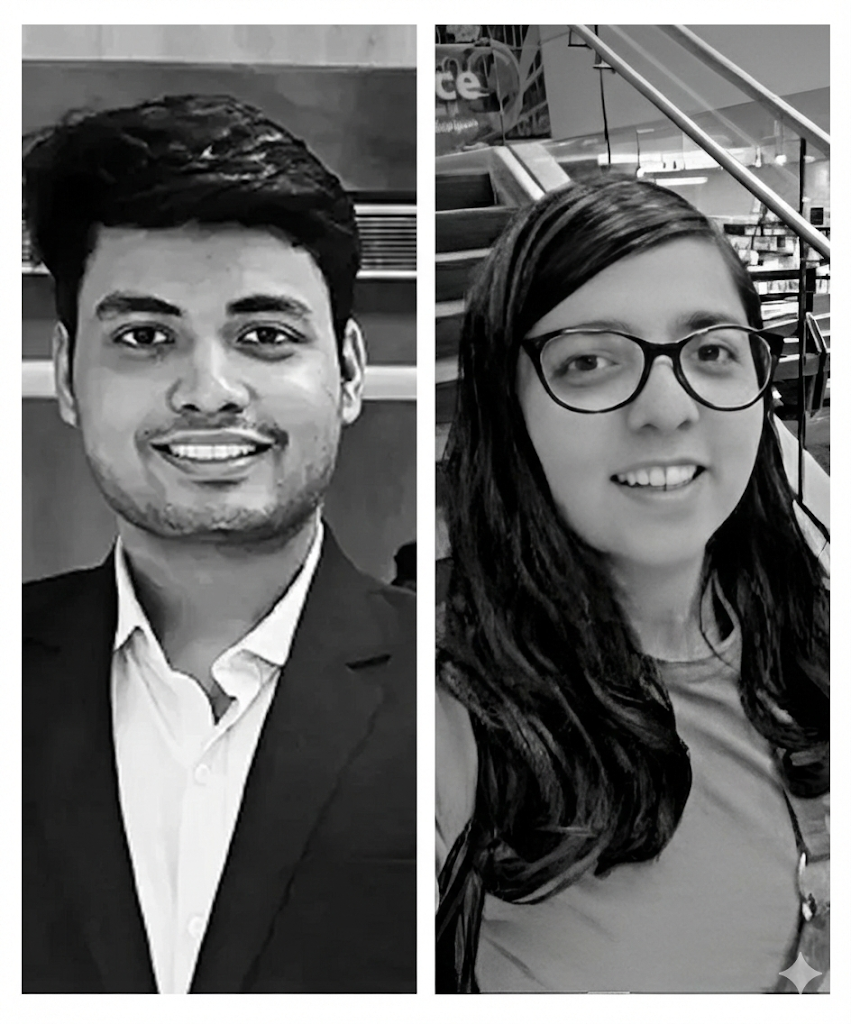
Shubham Vishwakarma, Kannupriya Kalra
About the Speaker
Shubham Vishwakarma - Shubham is a full-stack developer and a GSoC’25 Contributor. He is skilled in MERN, Django, mobile development (Flutter), and machine learning. He actively contributes to open-source ecosystems, including Google Summer of Code 2025 with the Scala Center. He works across backend, frontend, and AI-assisted development, focusing on building robust applications and exploring agentic and GenAI-driven workflows.
Software Engineer, Nomura
About the Speaker
Kannupriya Kalra is an engineering leader with 10+ years of experience building scalable, high-availability backend systems in functional Scala. She led critical backend development at Sky, London, powering large-scale platforms.
She co-created LLM4S, a Scala-first AI platform, contributes to projects like Scala CLI and Scaladex, and serves as a GSoC Org Admin & Mentor (2024, 2025) with the Scala Center. She builds open source communities, delivers AI training, and is collaborating with Manning on Generative AI learning resources.
An international speaker, she has presented in 10+ countries at events including Scala Days and Google Open Source Conference.
Software Developer, Sky
Session Overview
Most LLM frameworks force teams to choose between fast iteration with runtime failures and strict type safety with heavy development overhead. LLM4S removes this tradeoff.
This session shares the journey of building the first production-grade AI framework for the JVM ecosystem. It covers the improvements made over eight months, from reducing setup time from 20 minutes to 60 seconds, eliminating 47 try-catch blocks through functional safety patterns, and replacing generic “unknown error” messages with 12+ precise error types that actually help developers debug.
The talk highlights how type-safe tool calling works without manual JSON, how teams switch between providers like OpenAI and Anthropic with zero code changes, and how 43 files were migrated without breaking production.
The examples come from systems running in financial services, SaaS, and EdTech products across multiple countries.